
MO.Resilience
Strengthening our ability to adapt to climate change and to manage environmental risks, with confidence. Making resilience a defining capability of exceptional hospitality.
Preparing every destinationto thrive in a changing climate
Exceptional hospitality depends on places that can thrive into the future.
We develop climate risk profiles for each destination and use them to inform decisions throughout the hotel lifecycle, from development and design to operations. By assessing local vulnerabilities, we help protect the quality, performance and long-term value of every property.
Our newly committed decarbonisation pathway to net zero by 2050 will connect our 2030 targets with the deeper shifts required across our operations. It provides a long-term direction for reducing portfolio emissions while recognising that meaningful future progress depends on decisions made today.
Our responsibility also extends beyond our hotel walls. Improving visibility of Scope 3 greenhouse gas (GHG) emissions, will allow us to work closely with suppliers, owners and development partners to address our indirect GHG footprint over time.
Together, these commitments turn resilience into action: understanding risk and shaping the transition.


How we
Build Resilience
Climate Risk Profile
By 2028, every existing and new destination will have a climate risk profile.
Understanding Risk, Destination by Destination
Up to 70% of a hotel’s environmental footprint is locked in at the design and construction stage. Embedding sustainability at this phase is therefore the single most effective lever to reduce emissions, manage risk, protect asset value, and future‑proof performance.
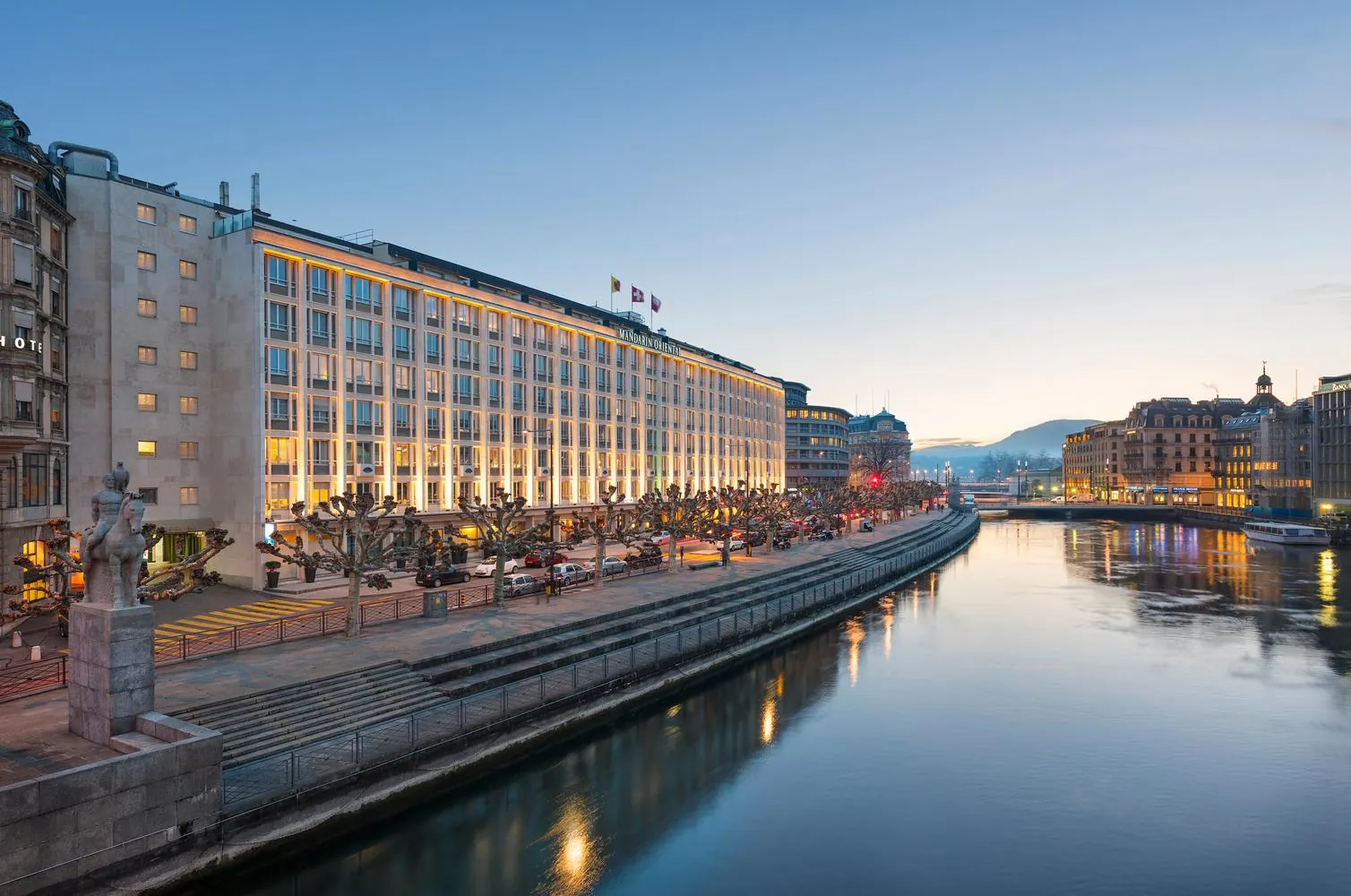
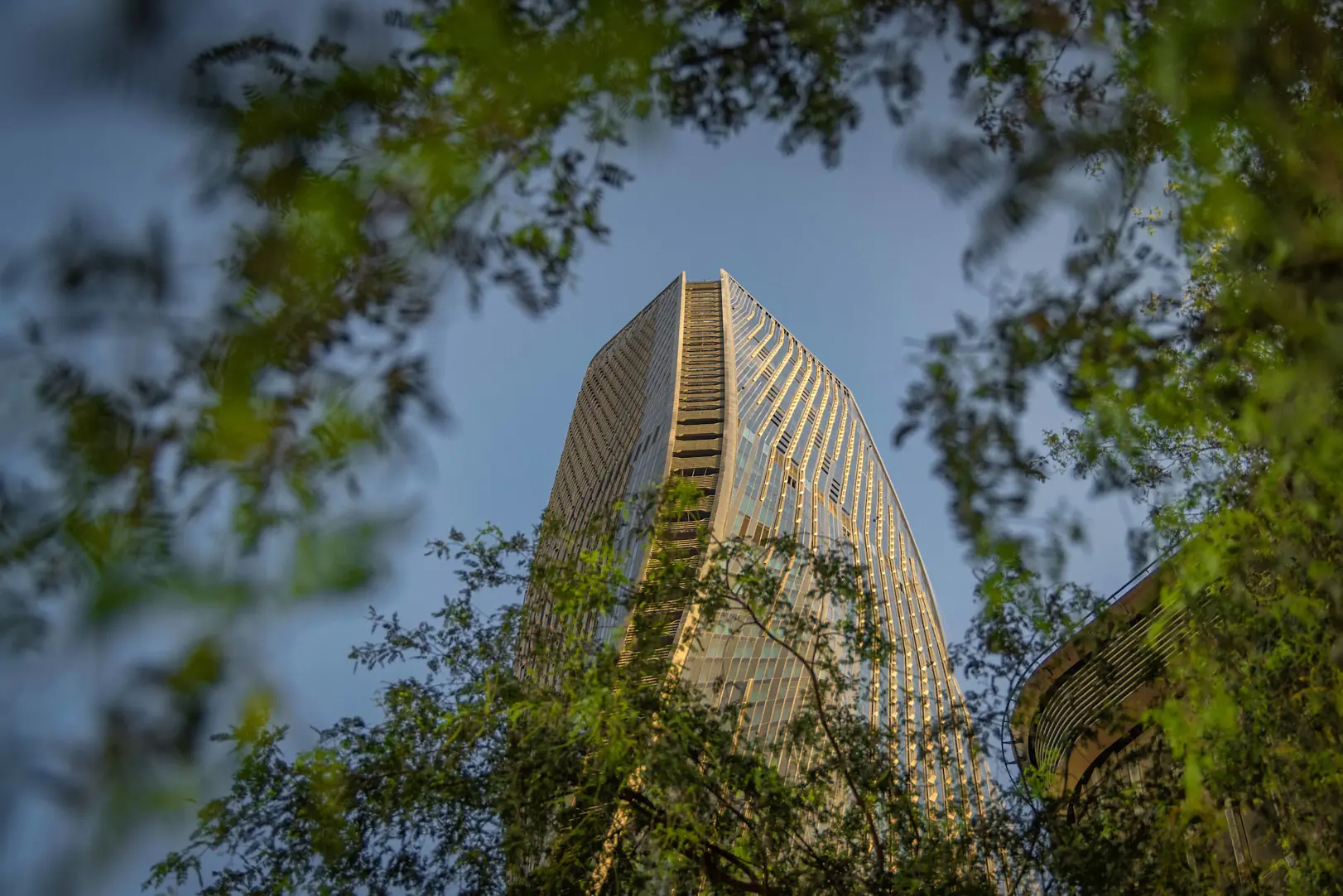
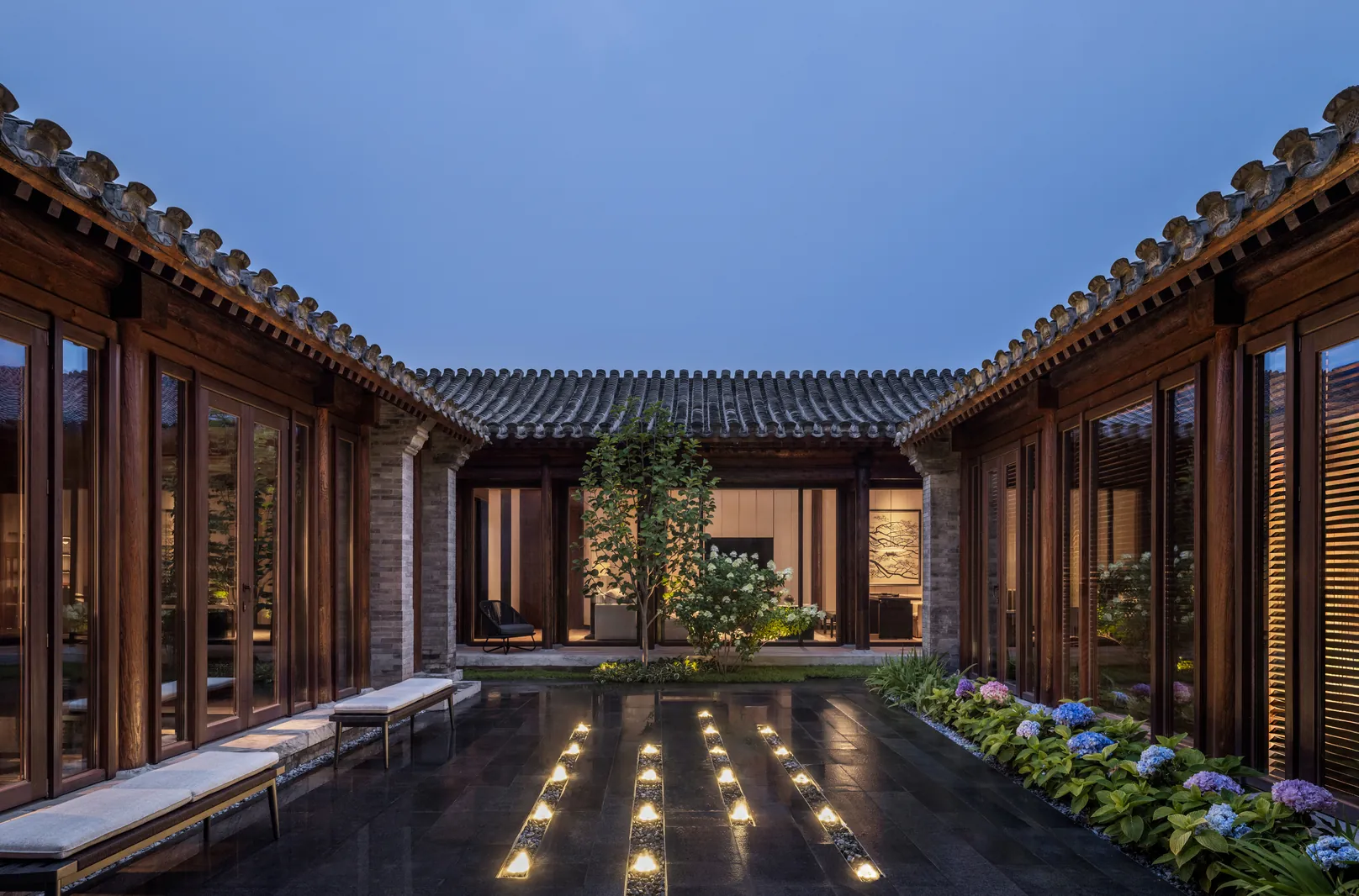
Every destination and hotel archetype, whether urban, resort or heritage, has its own climate reality. We build destination climate risk profiles that reveal the pressures facing each location and bring these insights into decisions across the hotel lifecycle, from development and design to operations and asset management. Because resilient growth starts with seeing clearly, planning early and preparing each property for the conditions ahead.

Decarbonisation Roadmap
50% GHG emissions intensity reduction by 2030 and net zero by 2050 (Scope 1 and 2, vs 2012).
Turning Ambition into a Pathway
Our pathway to net zero by 2050 begins with the choices we make today. Building on our 2030 targets, it guides the deeper changes needed across energy, buildings, operations, development and investment, shaping how we reduce portfolio emissions as we operate, invest and grow.
Scope 3
By 2028, complete Scope 3 GHG assessments for all fully operational hotels to identify our most material indirect emissions sources.
Moving Beyond Our Hotel Walls
Our impact extends beyond our direct operations. We are improving visibility of emissions from goods and services, food, construction, capital expenditure, waste and transport. As part of our decarbonisation strategy, we are working with suppliers, owners and development partners to drive meaningful reductions of Scope 3 GHG emissions over time.
Environmental reporting data
MO.RE Metrics

A Closer Look at…
Geneva